Operational know-how
Processes adapted to a wide variety of flows
Our organisation is built on extensive expertise in picking methods, automation, material handling and flow management. Our strength: rather than imposing a single operating model, we combine the methods, equipment and technologies best suited to each business.
Orchestration
Smart order orchestration
Our information system dynamically adapts how picking is organised to physical, operational and commercial constraints. Each order is routed to the picking station suited to its profile and to the service required. Picking constraints are thus separated from shipping constraints: each step is optimised without compromising service commitments.
- 1
Split
An order is split into several picking orders according to the type of products, their locations or the processes to apply. Oversized products (bulky, heavy, fragile) follow their own flow.
- 2
Batch
Several orders or picking orders are grouped to pool operations and reduce travel.
- 3
Route
Each order or picking order is routed to the workstation suited to its profile and to the service required.
- 4
Consolidate
Items picked separately are brought together at checking, packing or shipping, in a parcel whose content is fully controlled.
Specialised workstations
The information system assigns each order to the workstation equipped for the required service: the right equipment, the right consumables and operators trained for the task.
- Gift wrappingPapers, ribbons, cards and arrangements according to your instructions
- Nutrition labelsRegulatory labelling and product compliance
- Premium packingCareful presentation and a branded unboxing experience
- Pallet pickingLarge orders, B2B and store replenishment
- SKU-level packingOne parcel per SKU, compliant with recipients' requirements
- Oversized productsBulky, heavy or fragile items on a dedicated flow
Automation
Integrated material handling and automation
We integrate and operate a range of automation technologies, connecting them to our logistics information system. The aim: combine manual operations, mechanisation and automation according to volumes, constraints and the expected return on investment.
- Material handling systems and conveyors to move products, totes and parcels between zones
- Automated systems and equipment, coordinated with IT processes
- Connected devices and smart equipment supporting operators
- Automatic scanning and identification to secure checks and traceability
- WMS / equipment integration: synchronised work orders, movements and events
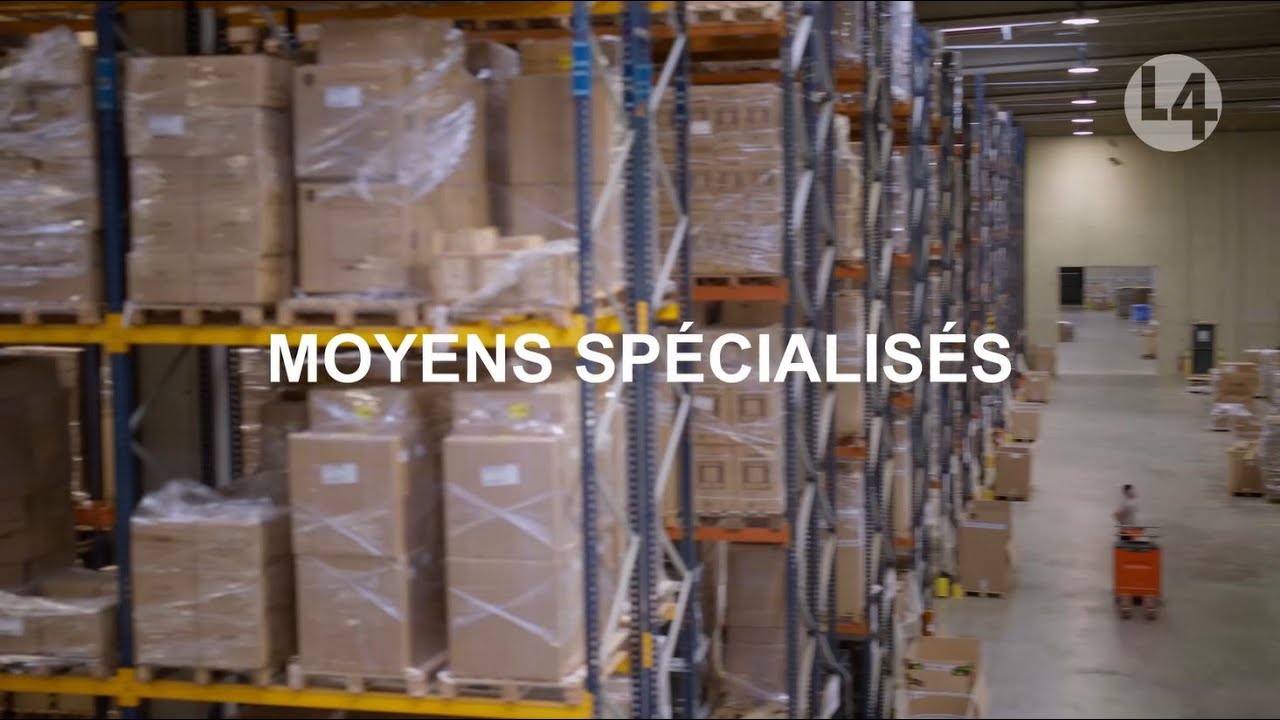 Watch the video: Specialised resources (in French)
Video hosted by YouTube: it is only loaded with your consent to external content (manage my choices).
On video · 1:20
Specialised resources
Episode 5/10 of our series “The essentials of Lean logistics” (in French).
The full series on YouTubeFlows
Flexible management of physical flows
Cross-docking
Fast receiving and re-shipping of goods, limiting or eliminating storage.
Just-in-time flows
Synchronised receiving, picking and shipping to reduce lead times and tied-up stock.
Multi‑flow
E-commerce, retail, B2B, replenishment and returns flows running side by side.
Activity peaks
Resources, picking methods and capacity adapted to sales, launches and the festive season.
Inbound supply
Every inbound delivery, whatever its format
Receiving determines the quality of every subsequent operation. We handle every type of inbound delivery and carry out the compliance operations needed so that each item is identified, checked and available for sale as quickly as possible.
- Express parcelsUrgent replenishment
- GroupageMulti-SKU parcels
- PalletsUniform or mixed
- Full truckloadsScheduled appointments
- ContainersLoose or palletised unloading
All types of inbound deliveries
- Uniform packaging (single-SKU pallets, standard cartons) or mixed packaging (multi-SKU cartons, loose goods)
- From express delivery to 20- or 40-foot containers, unloaded loose or palletised
- Closed and open orders, back orders and store opening orders
- Scheduled carrier appointments, condition checks and reservations reported immediately
Compliance
- Item identification and quantity checks against the purchase order
- Item labelling: barcodes, price or security tags, bagging
- Barcode matching: linking supplier codes to your SKUs
- Capture of batches, expiry dates and serial numbers
- Exception handling: discrepancies, unexpected items, damage, with immediate notification and handling according to your instructions
As soon as goods are put away, available quantities are sent to your system via EDI or API and visible in real time on @my_L4.
Picking
Extensive mastery of picking methods
We choose how picking is organised based on order profiles, volumes, productivity targets and service requirements.
- Single-item, single-SKU and multi-SKU picking, from single-unit orders to complex orders
- Small and large orders, with processes adapted to B2C, B2B and distribution flows
- Single-item, batch, wave or zone picking, with order grouping and sorting
- Flow batching to reduce travel and handling costs
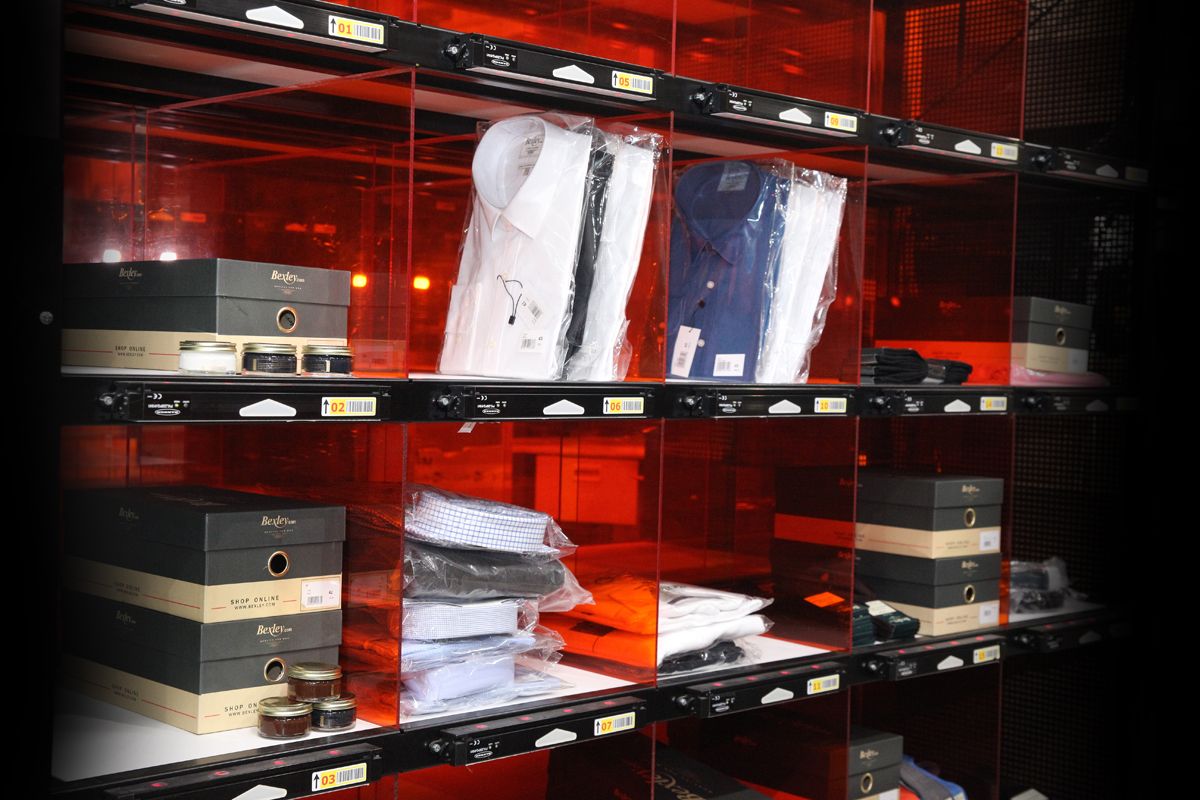
- Pick-to-light and put-to-light to guide operators and secure operations
Returns
Returns management & reverse logistics
Giving products a second life and preserving their value.
Returns management is an operational, economic and environmental challenge. At L4 Logistics, we support brands and retailers in processing their e-commerce and store returns, with a flexible, tailored approach focused on recovering product value.
From receipt to restocking, we draw on our expertise in quality control, grading and value-added services (VAS) to put items back into circulation quickly, limit losses and contribute to more responsible logistics.
Returned flows
- Consumer returnsE-commerce returns and undelivered parcels
- Store returnsReturns from stores and the network
- Unsold stockEnd-of-collection items and overstock
- Announced or notMatched with the information available
- 1IdentifySKUs matched with orders or expected returns
- 2Inspect and gradeCondition, compliance, integrity, completeness, photos of defects
- 3RefurbishPresentation and compliance restored for resale
Routing according to your rules
- Saleable stockCompliant items returned to stock
- Further work requiredProducts to rework before resale
- Quarantine or defectiveItems set aside pending a decision
- Clearance and recoveryReturn to supplier, clearance, recovery
- General condition
- Compliance
- Integrity
- Completeness
- Defects
Management suited to all returns
We handle flows from many sources: consumer returns, store returns, unsold stock, end-of-collection items or undelivered parcels.
Our processes handle returns with or without prior notification, ensuring items are identified, inspected and matched with the information available.
Inspect, grade and decide
Each item is inspected and graded according to criteria defined with our clients: general condition, compliance, integrity, completeness or defects found.
Anomalies can be documented with photographs to make analysis and decision-making easier.
This grading makes it possible to route each product to the channel best suited to its condition and value.
Refurbishing to extend product life
A returned item is not necessarily a lost item. Through our additional services, we restore the presentation and compliance of products so they can be sold again:
- Textiles: folding, ironing, garment bagging and re-presentation.
- Repackaging: re-bagging, packaging replacement and unit repackaging.
- Compliance restoration: relabelling, accessory checks and specific operations.
- Enhanced quality control: checking product condition and documenting defects with photos.
These operations are defined according to your quality requirements, the nature of the products and their potential for recovering value.
Routing each product to the right destination
After inspection and any compliance restoration work, items are directed to the appropriate channels:
- Return to saleable stock.
- Dedicated stock for products requiring further work.
- Quarantine or defective stock.
- Clearance, return-to-supplier or recovery channels, according to your instructions.
Our tools ensure the traceability of operations and stock movements.
Reverse logistics serving the circular economy
The best waste is the waste we avoid producing.
By favouring inspection, compliance restoration and reuse over disposal whenever possible, we help extend the useful life of products. This approach reconciles our clients' economic objectives with their environmental commitments.
- Preserve resourcesBy encouraging the reuse of existing items.
- Limit lossesThrough precise grading and appropriate refurbishment services.
- Reduce avoidable wasteBy directing products to recovery solutions.
- Improve visibilityOn compliant and defective items and those requiring work.
Our ambition: to turn every return into an opportunity to recover value, as part of a more responsible approach to logistics. Our CSR commitments
Controlled returns, products that keep their value, more responsible logistics.
Value-added services
Value-added services built into our processes
These services fit into different stages of the logistics process, each with its own checks and traceability.
Unboxing
Unpacking, de-boxing and product-specific preparation.
Personalisation
Adapting products or orders to each client's requirements.
Embroidery and printing
Textile personalisation built into logistics operations.
Gift wrapping
Multiple formats, presentations, compositions and packing instructions.
Kitting
Assembly of kits, gift boxes and product bundles.
Co-packing
Grouping, assembling and packaging several products into one sales unit.
Rework
Reworking, modifying, bringing into compliance or repackaging products.
Labelling and promotions
Barcode or security labels, flyers, samples, promotional operations and regulatory information.
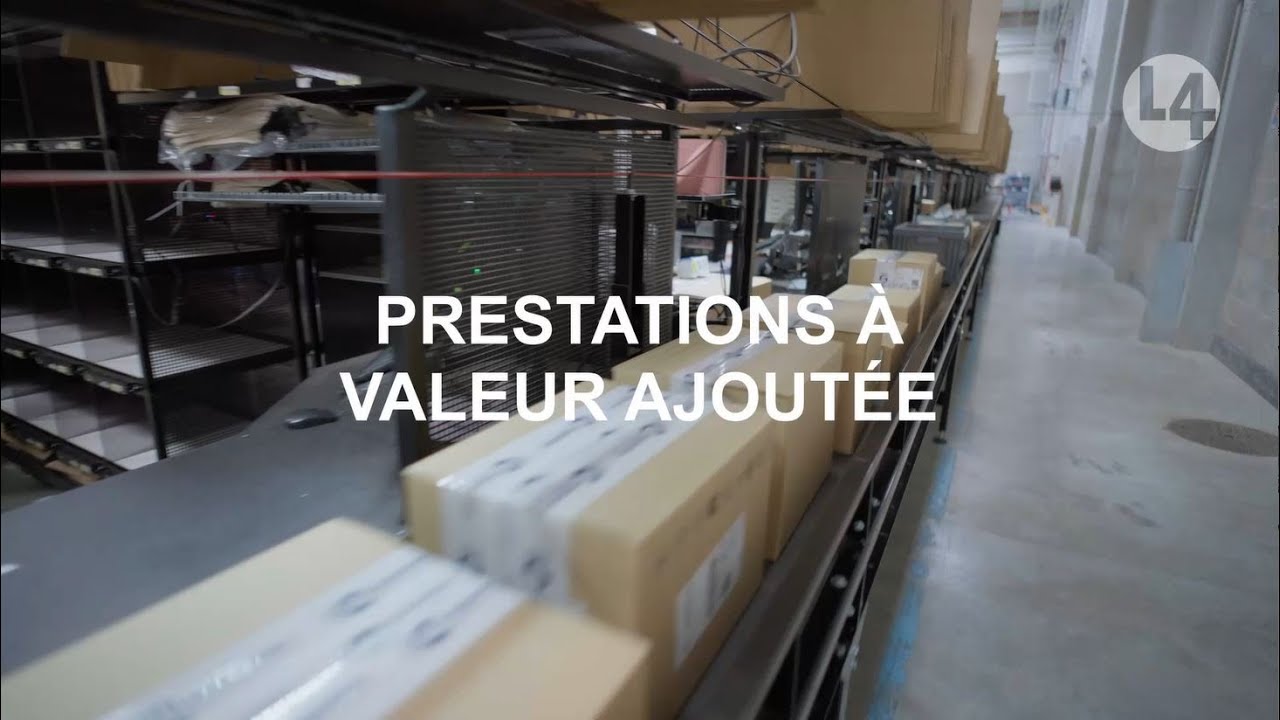 Watch the video: Value added (in French)
Video hosted by YouTube: it is only loaded with your consent to external content (manage my choices).
On video · 0:56
Value-added services
Episode 4/10 of our series “The essentials of Lean logistics” (in French).
The full series on YouTubeTraceability
Traceability and quality at every step
Every movement is recorded by RF scanning, from receiving to shipping.
- Serial numbers, batches and expiry dates depending on the product
- Tracking of movements and operations, from receiving to shipping
- Quality and compliance checks tailored to products and clients
- Stock statuses, quarantine, anomalies and specific handling flows
- Data-driven management: productivity, quality, lead times and performance
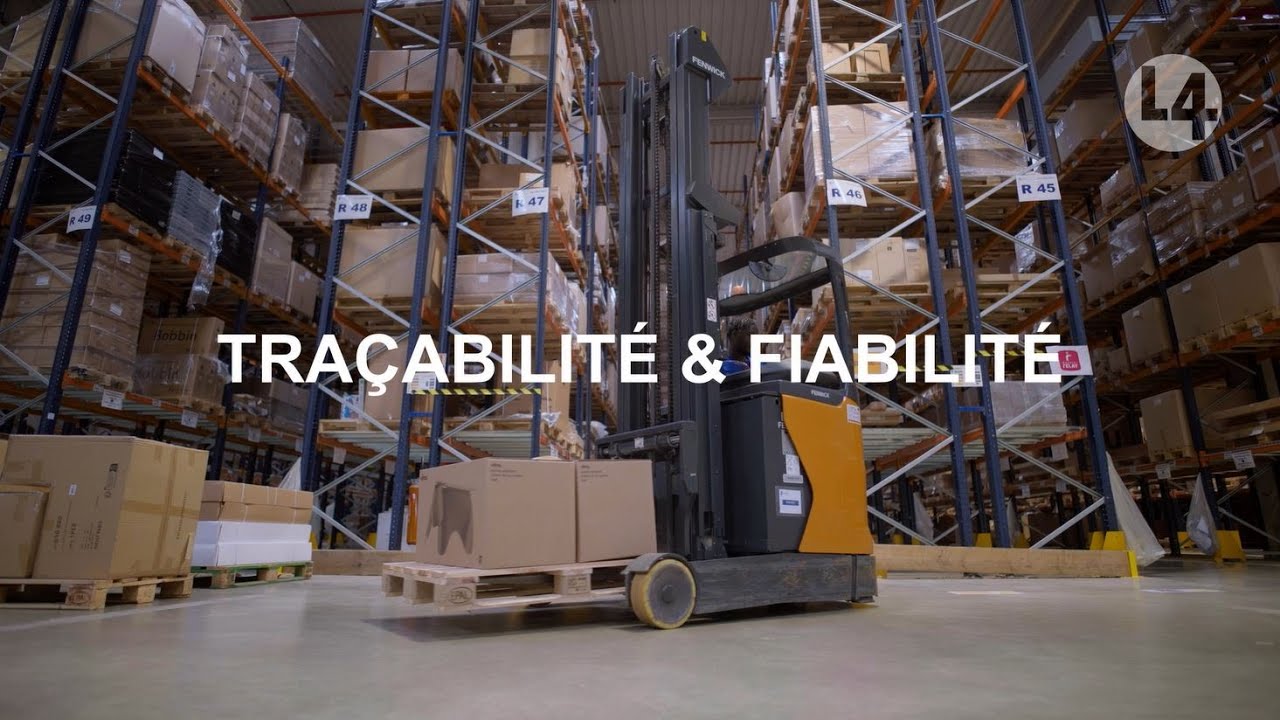 Watch the video: Traceability and reliability (in French)
Video hosted by YouTube: it is only loaded with your consent to external content (manage my choices).
On video · 0:55
Traceability and reliability
Episode 2/10 of our series “The essentials of Lean logistics” (in French).
The full series on YouTubeWarehousing
Warehousing and security
Overflow storage
For your seasonal peaks or exceptional deliveries, temporary storage space is allocated on terms agreed in advance.
Tailored storage
Pallet racking, block stacking, shelving, drawer racking, hanging garment storage: locations configured for your packaging and optimised by algorithm.
Stock counts
Cycle, ad hoc or year-end counts, organised to limit or even avoid any service interruption.
Secure sites
Enclosed warehouses, remotely monitored 24/7, CCTV, alarms and infrared barriers; operations logged by badge.
Dangerous goods storage
We can store and pick products subject to specific regulations: flammables, aerosols, chemicals or batteries. Our warehouses are equipped accordingly.
- Dedicated zones and cells, separation of incompatible products
- Suitable containment, detection and fire-suppression systems
- Staff trained in handling and safety instructions
- Safety data sheets and shipments compliant with transport regulations (ADR)
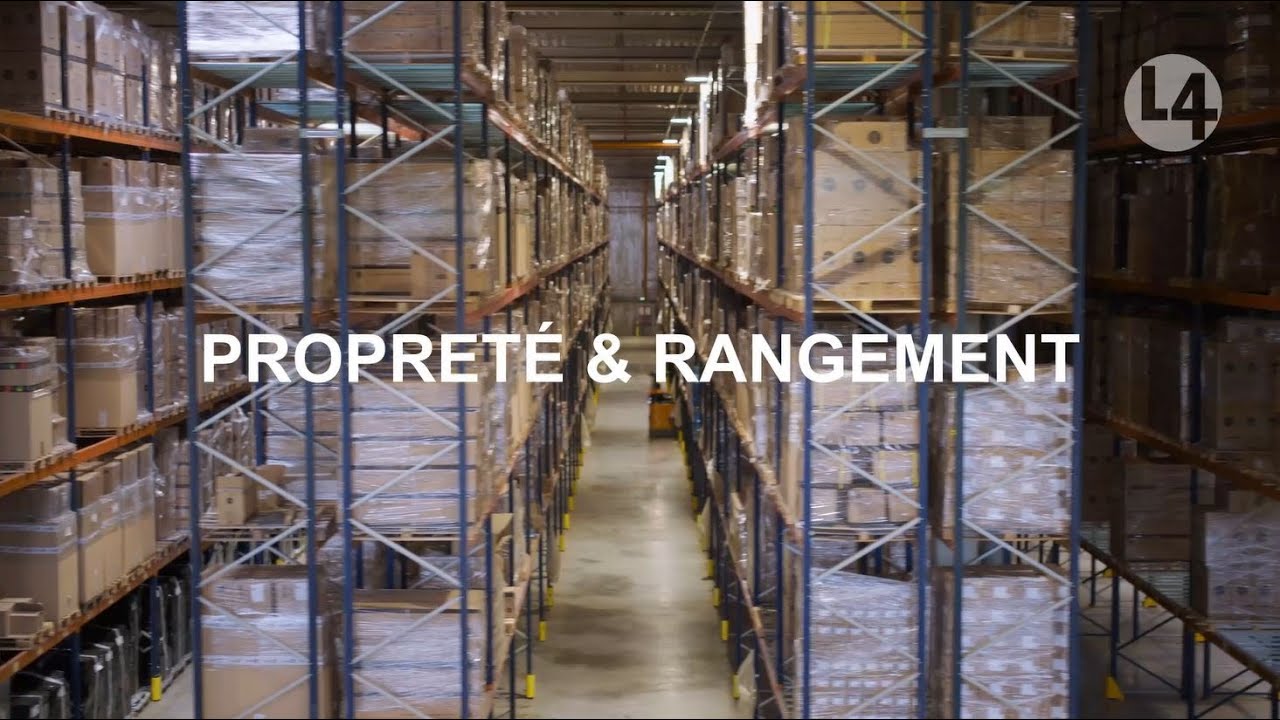 Watch the video: Cleanliness and tidiness (in French)
Video hosted by YouTube: it is only loaded with your consent to external content (manage my choices).
On video · 0:51
Cleanliness and tidiness
Episode 3/10 of our series “The essentials of Lean logistics” (in French).
The full series on YouTube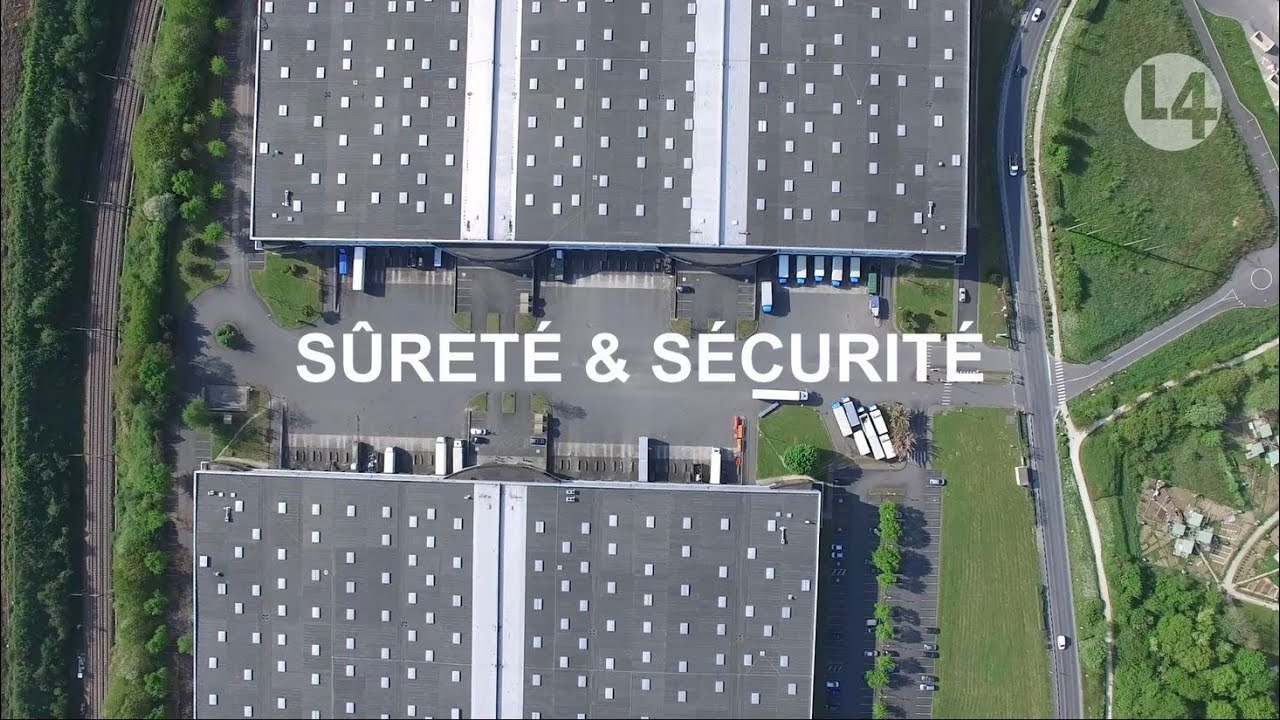 Watch the video: Safety and security (in French)
Video hosted by YouTube: it is only loaded with your consent to external content (manage my choices).
On video · 0:48
Safety and security
Episode 9/10 of our series “The essentials of Lean logistics” (in French).
The full series on YouTubeThere is no single right way to manage a logistics flow, but an optimal combination of methods, technologies and know-how for each need.
Frequently asked questions
What is put-to-light?
It is a picking system in which a light signal shows the operator which location each item goes into. At L4 Logistics, an infrared barrier also checks that each item has been placed in the right location.
What does splitting, batching and consolidating orders mean?
Splitting means breaking an order into several picking orders by product or zone. Batching means grouping several orders to reduce travel. Consolidating means bringing items picked separately together in one shipment.
Which value-added services do you offer?
Unboxing, personalisation, embroidery and printing, gift wrapping, kitting, co-packing, rework, labelling and promotional operations.

Our know‑how serving every channel
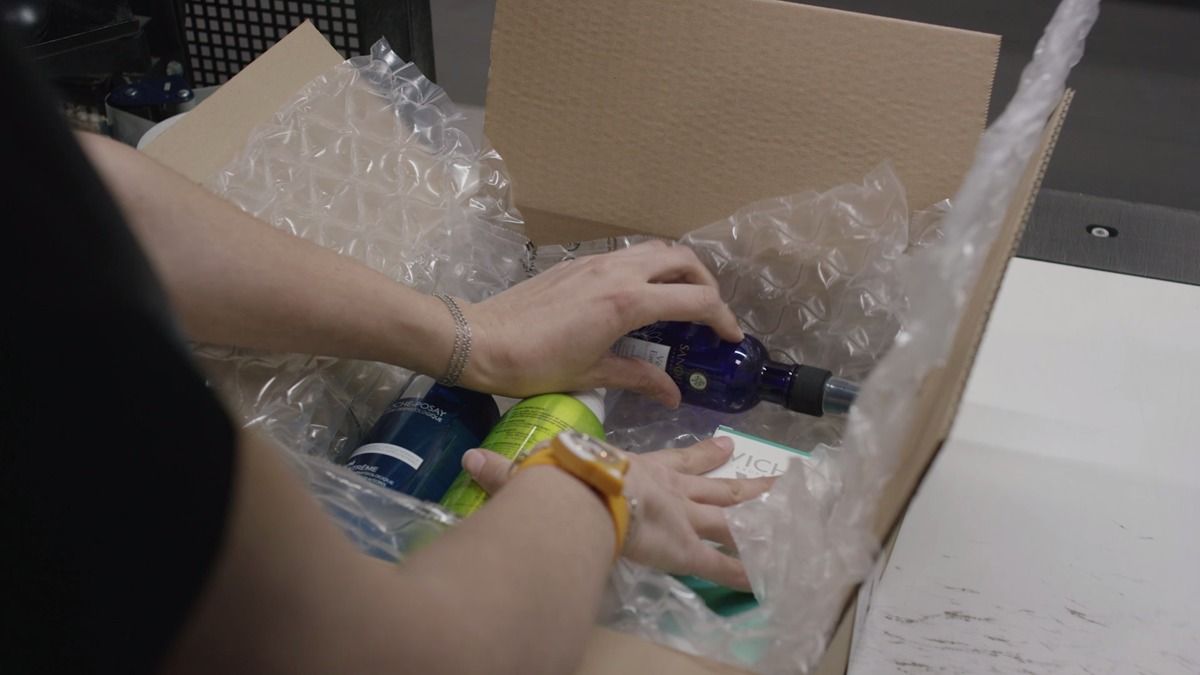 E-commerce logisticsSingle-unit orders, seasonal peaks, personalisation and returns.Learn more
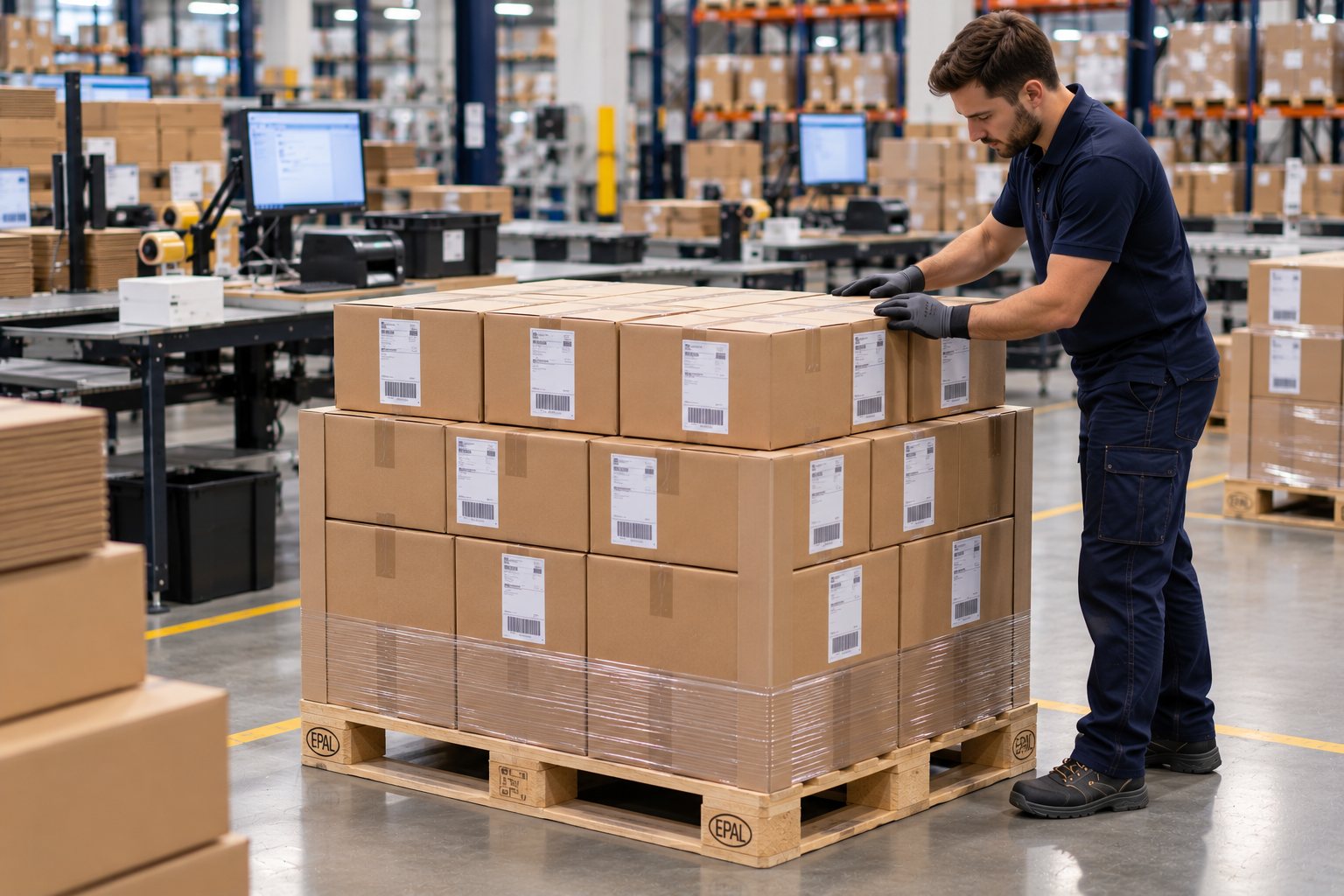 B2B & Retail logisticsWholesalers, distributors, shops and franchises: from single units to pallets.Learn more
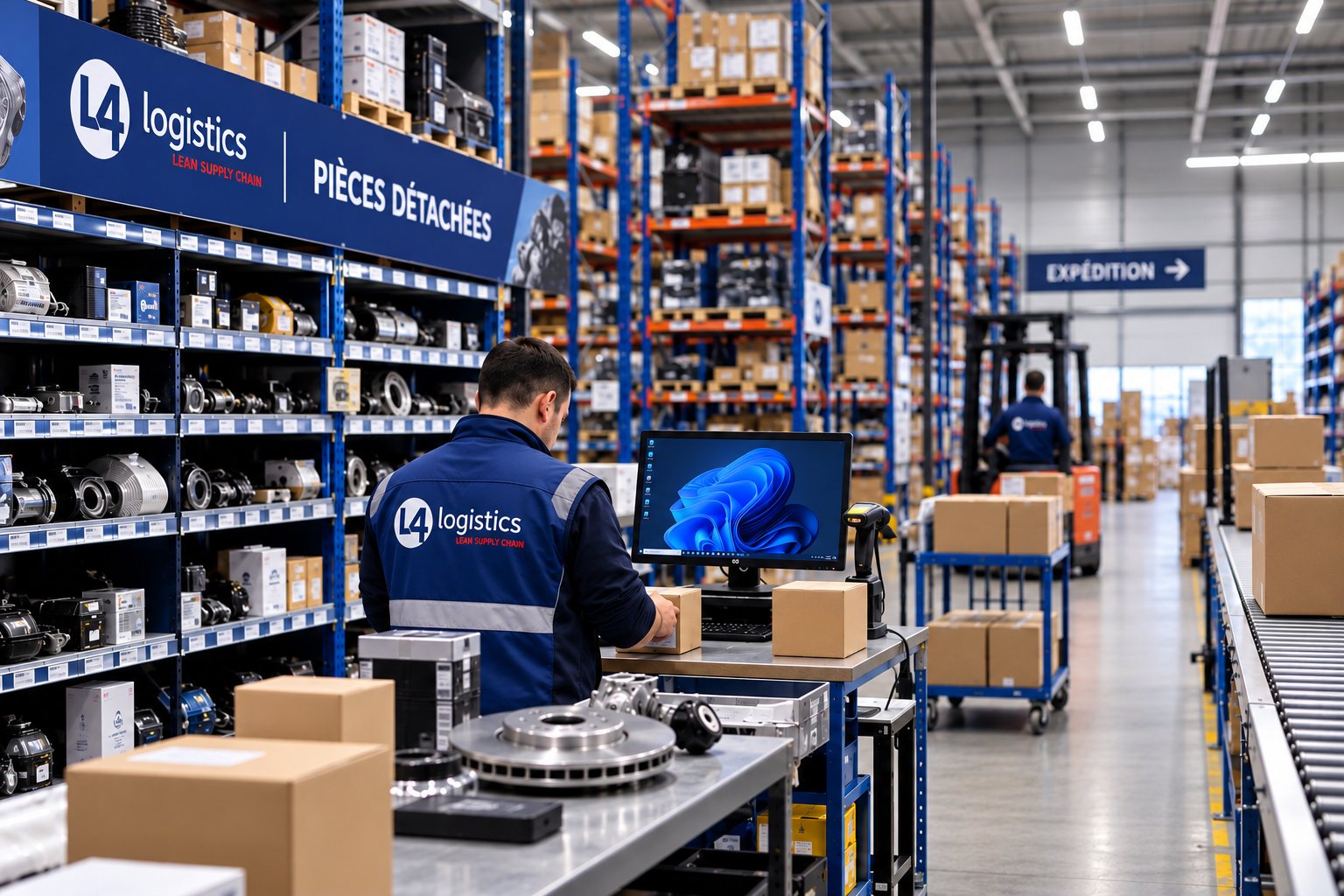 Specialised logisticsUrgent orders until 5 pm, serial numbers, thousands of SKUs.Learn more
See also: Logistics support & integrationTechnologies and integrationSectors we serve